Commercial steam ice dam extraction and emergency roof leak tarping in Milwaukee, WI
Field Technician Operating Commercial Low-Pressure Steam Boiler for Zero-Trauma Ice Dam Removal in Milwaukee, Wisconsin.

Milwaukee Emergency Damage Triage Matrix

Select your immediate roof failure scenario below to view recommended tactical protocols, required mobilization assets, and direct phone-to-crew connection options.

Winter Freeze Threat Critical Triage

Eaves Ice Dam Hydrostatic Breach

Snow melt pools behind thick solid gutter ice dams, backing upward under architectural shingles and soaking ceiling drywall, insulation bats, and electrical fixtures.

Tactical Protocol:
  • Zero-impact commercial low-pressure steam cuts free-flowing channels.
  • FLIR E8 thermal imaging traces hidden rafter bay moisture pockets.
  • Attic moisture containment and ceiling stabilization.
Dispatch Steaming Unit: (888) 208-4155
Blizzard Gale Threat Severe Exposure

Lake Michigan Gale Shingle Loss

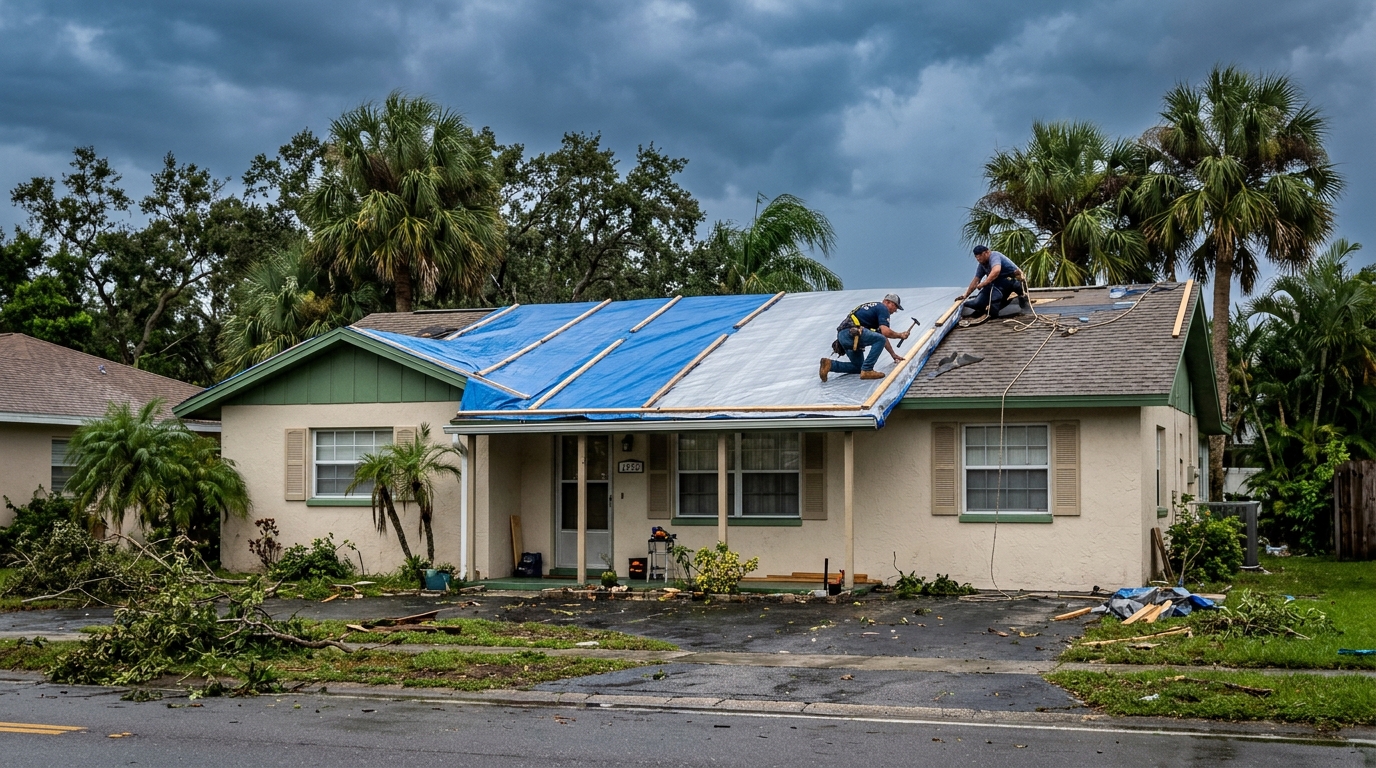
Northeasterly winds exceeding 60 mph rip brittle shingle tabs from eave rakes and ridges, exposing raw plywood sheathing to driving rain, sleet, and melting snowpack.

Tactical Protocol:
  • Mechanical anchoring of heavy 10-mil UV woven polyethylene membrane.
  • Continuous 2x4 kiln-dried wood battens lag-bolted through rafters.
  • Ridge cap wrapping to eliminate high-wind uplift underneath tarps.
Dispatch Tarping Crew: (888) 208-4155
Historic Masonry Flashing Failure

Cream City Brick Chimney Leak

Porous historic Milwaukee cream city clay bricks absorb freeze-thaw moisture, disintegrating mortar joints and pulling step flashings away from chimneys and parapets.

Tactical Protocol:
  • Reglet joint saw-cutting into historic masonry mortar lines.
  • New heavy-gauge step flashings laced with ice-and-water underlayment.
  • Counter-flashing bib embedded with industrial elastomeric polymer seals.
Dispatch Flashing Tech: (888) 208-4155

Lake Michigan Microclimate Dynamics: Freeze-Thaw Shock, Gale Blizzards & Ice Dam Hydrostatics

The City of Milwaukee and its surrounding communities across Milwaukee, Waukesha, and Ozaukee counties occupy an intense climatic transition zone along the western shore of Lake Michigan. While the lake provides moderate thermal buffering during transitional seasons, in the depths of winter it acts as a colossal moisture and wind accelerant. Heavy lake-effect blizzard squalls collide with arctic polar vortex troughs driving ambient temperatures well below zero degrees Fahrenheit. Sustained winds routinely exceed 45 to 60 miles per hour across coastal bluffs from Mequon and Whitefish Bay down to Bay View and Oak Creek.

This relentless atmospheric moisture and fluctuating temperature cycle creates severe freeze-thaw shock on regional roof systems. The primary catalyst for winter water intrusion in Milwaukee is the thermodynamic imbalance between heated living spaces and sub-freezing exterior eaves. Warm indoor air rises into unconditioned attics through structural bypasses — including chimney chases, recessed lighting canisters, plumbing vent stacks, and uninsulated drop soffits. As the warm attic air heats the underside of the roof deck, snow accumulated on upper roof slopes melts rapidly, even when outdoor ambient temperatures hover between 10°F and 22°F.

The meltwater runs down the roof slope under the insulating blanket of snow until it reaches the unheated roof eaves, overhangs, and gutters. Because these overhangs project past the building's thermal envelope, they remain below freezing (32°F). The meltwater instantly refreezes, creating a solid ice dam at the eave. Over several days of repeated freeze-thaw cycling, this ice reservoir expands into a monolithic ice wall, blocking gutters and backing up meltwater into massive ponds. When the water level rises above the top edge of shingle laps, hydrostatic head pressure forces water horizontally backward beneath the shingles, penetrating nail perforations, saturating attic insulation, and flooding interior ceiling drywall.

In addition to ice dams, Lake Michigan winter storms subject southeastern Wisconsin roofs to intense localized wind uplift. Older asphalt shingles that have become brittle from decades of summer UV exposure suffer adhesive tab failure under the stress of 60+ mph blizzard gusts. Once an adhesive seal fails, wind gets under the shingle tabs, snapping them cleanly along their fastener line. Whole courses of shingles can strip away during an overnight blizzard, exposing bare OSB or tongue-and-groove decking to blowing sleet and melting ice pack.

Non-Destructive Moisture Tracing with FLIR Infrared Thermal Imaging

Locating the origin of an active roof leak in a multi-story Milwaukee residence or commercial building is rarely simple. In steep-slope residential construction — such as the historic German and Victorian homes of Wauwatosa and the East Side — water that breaches an eave shingle or valley frequently runs along sloping rafter chords, travels through wiring conduits, or pools on interior vapor barrier plastic sheets before emerging 20 to 30 feet away from the initial roof puncture.

Tearing open ceilings and walls blindly causes thousands of dollars in unnecessary drywall damage while failing to pinpoint the exterior breach. Dispatched emergency roofing technicians utilize professional-grade calibrated FLIR infrared thermal imaging cameras paired with high-frequency electronic impedance moisture meters. Because water-saturated insulation and damp timber retain thermal energy differently than dry building materials, infrared thermography reveals distinct thermal evaporative patterns invisible to the naked human eye.

Technicians map the complete footprint of wet insulation inside the attic, track moisture migration channels along ceiling joists, and trace water paths back to the exact exterior breach — whether a failed chimney counter-flashing, an unsealed plumbing boot, an ice-dammed valley, or a hail puncture. This enables fast, surgical emergency mitigation that halts water damage instantly without unnecessary demolition.

Critical Warning: Never Chop Ice Dams with Hammers or Axes

Chopping at ice dams with axes, pickaxes, shovels, or hammers causes catastrophic, irreversible damage to roof systems. At sub-zero temperatures, asphalt shingles, underlayment membranes, and gutter aluminum become glass-brittle. A single misplaced strike can crack dozens of shingles, slice through ice-and-water membranes, and puncture roof sheathing, transforming a manageable leak into an emergency structural disaster. Roof Expert USA dispatch networks exclusively mandate commercial low-pressure steam boilers operating at 290°F and gentle 100–250 PSI. The thermal steam cuts delicate drainage channels through dense ice dams without applying mechanical force or damaging fragile shingles.

Milwaukee Architectural Typologies & Engineered Repair Methodologies

Greater Milwaukee features a distinctive architectural character shaped by its 19th and 20th-century industrial heritage and picturesque lakeside geography. From the historic Cream City brick mansions and duplexes of Milwaukee and Wauwatosa to sprawling mid-century subdivisions in Brookfield and high-end coastal estates in Mequon, each building era presents specific roofing vulnerabilities:

1. Heavy Architectural Fiberglass Asphalt Shingle Systems

Architectural laminate asphalt shingles dominate the residential roofs of Brookfield, New Berlin, Franklin, and Oak Creek. Under the Wisconsin Uniform Dwelling Code (SPS 321.28 - Weather Protection), roof coverings must be installed to withstand local design wind loads and severe weather. In southeastern Wisconsin, this requires asphalt shingles certified to ASTM D3161 Class F (110 mph) or ASTM D7158 Class H (150 mph) wind resistance. Following severe blizzard windstorms or ice dam relief, on-call contractors inspect underlying decking for dry rot, replace water-saturated boards with APA-rated exterior plywood, install high-temperature polymer-modified self-adhering ice-and-water barriers (ASTM D1970) reaching at least 24 inches inside the interior heated wall line, and fasten new shingles using an enhanced 6-nail pattern with corrosion-resistant hot-dipped galvanized nails.

2. Historic Cream City Brick Chimney Flashing & Masonry Reglets

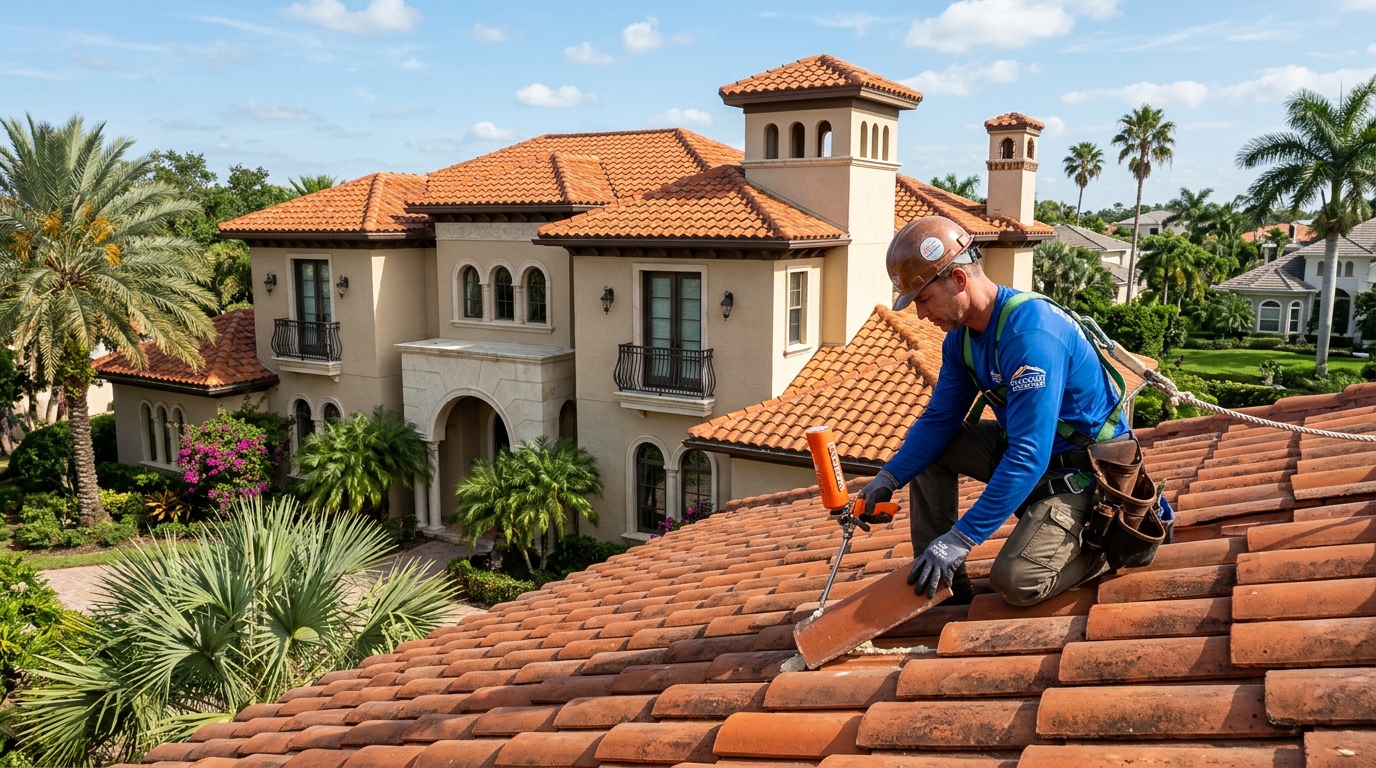
Milwaukee is internationally famous for its distinct cream-colored clay bricks — Cream City brick — produced from the Menomonee River Valley during the 19th and early 20th centuries. While aesthetically striking, Cream City brick is exceptionally soft, porous, and susceptible to freeze-thaw spalling. When water enters unsealed mortar joints, winter freezing causes bricks to chip and mortar to crumble, separating step flashing from the chimney stack. Emergency restoration involves diamond-wheel grinding clean reglet grooves into the mortar lines, weaving new 26-gauge corrosion-resistant step flashings between shingle courses, and installing continuous copper or heavy-gauge aluminum counter-flashing bibs mechanically anchored and sealed with non-shrinking polyurethane elastomeric mastic.

3. Commercial Low-Slope & Flat Systems (EPDM, TPO & Mod-Bit)

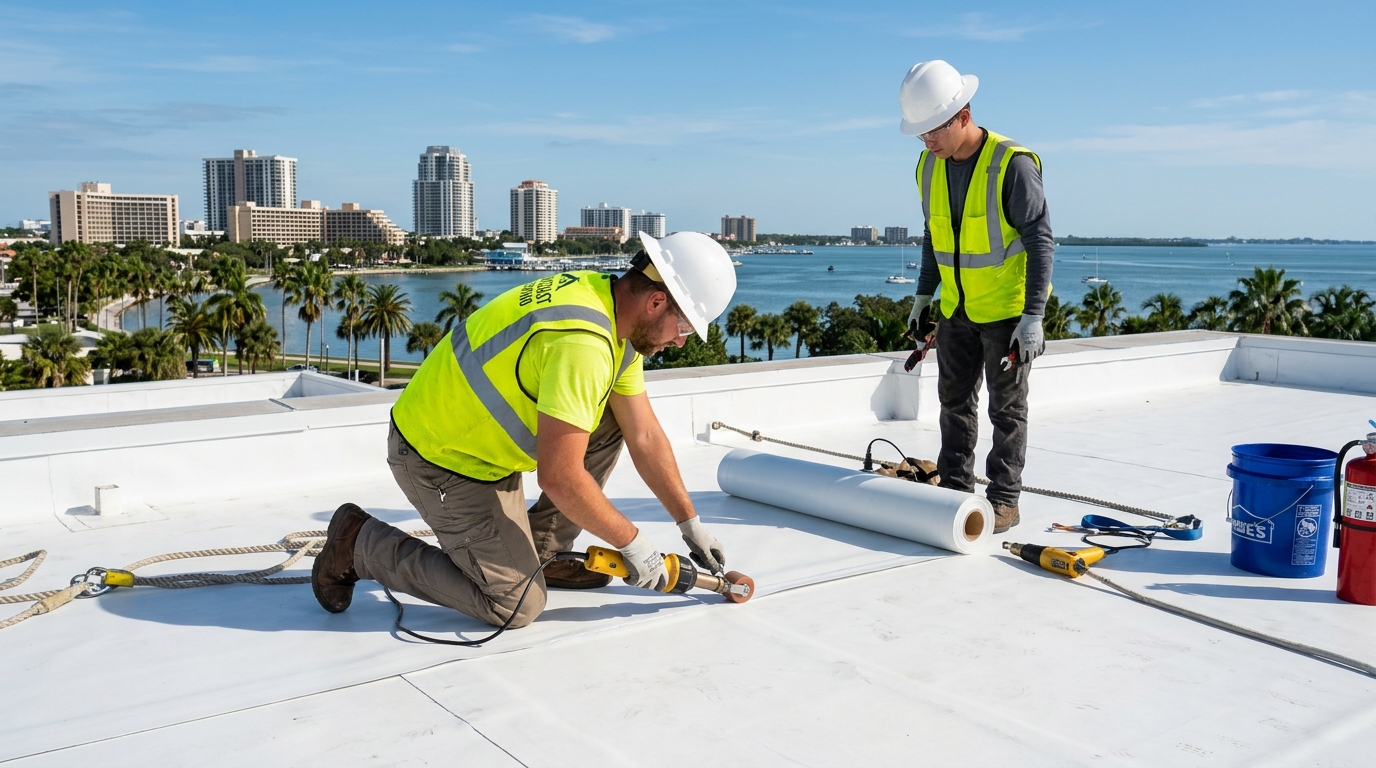
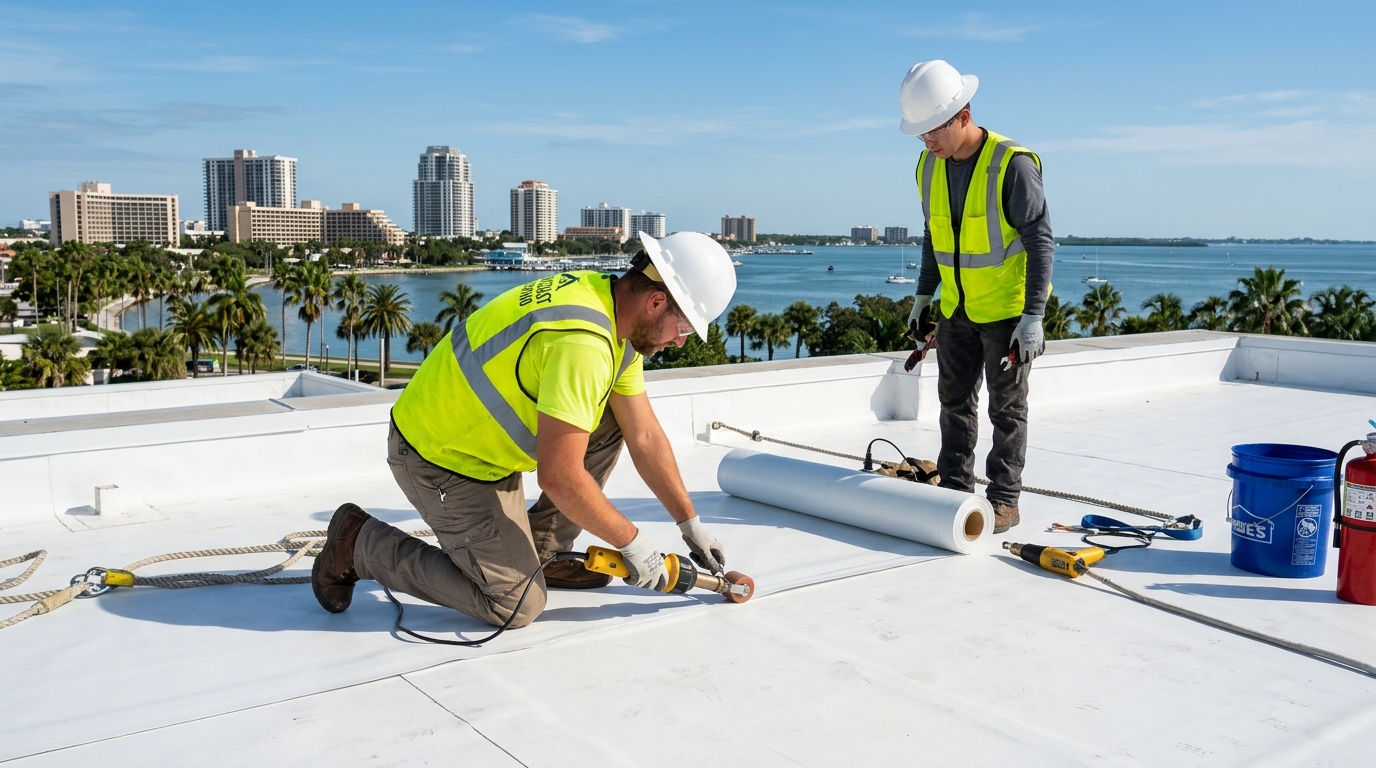
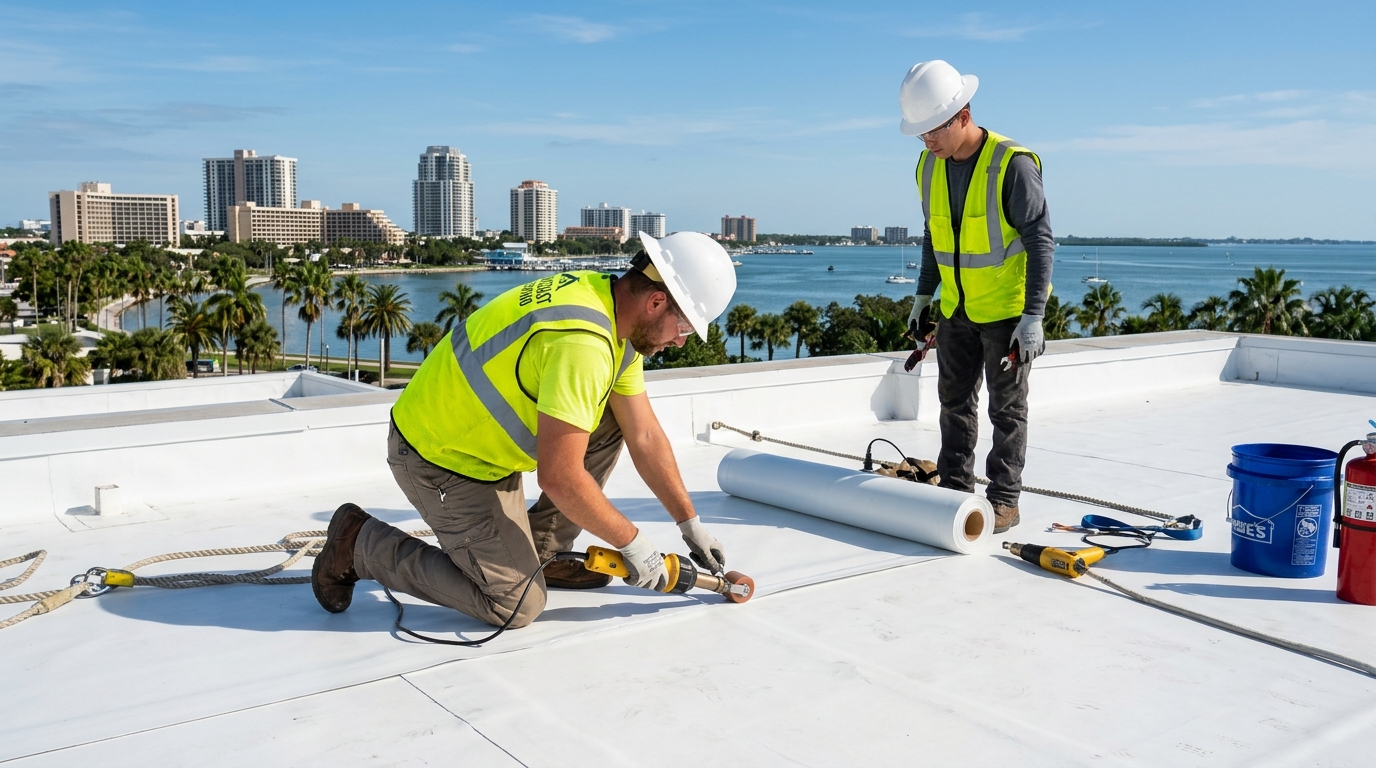
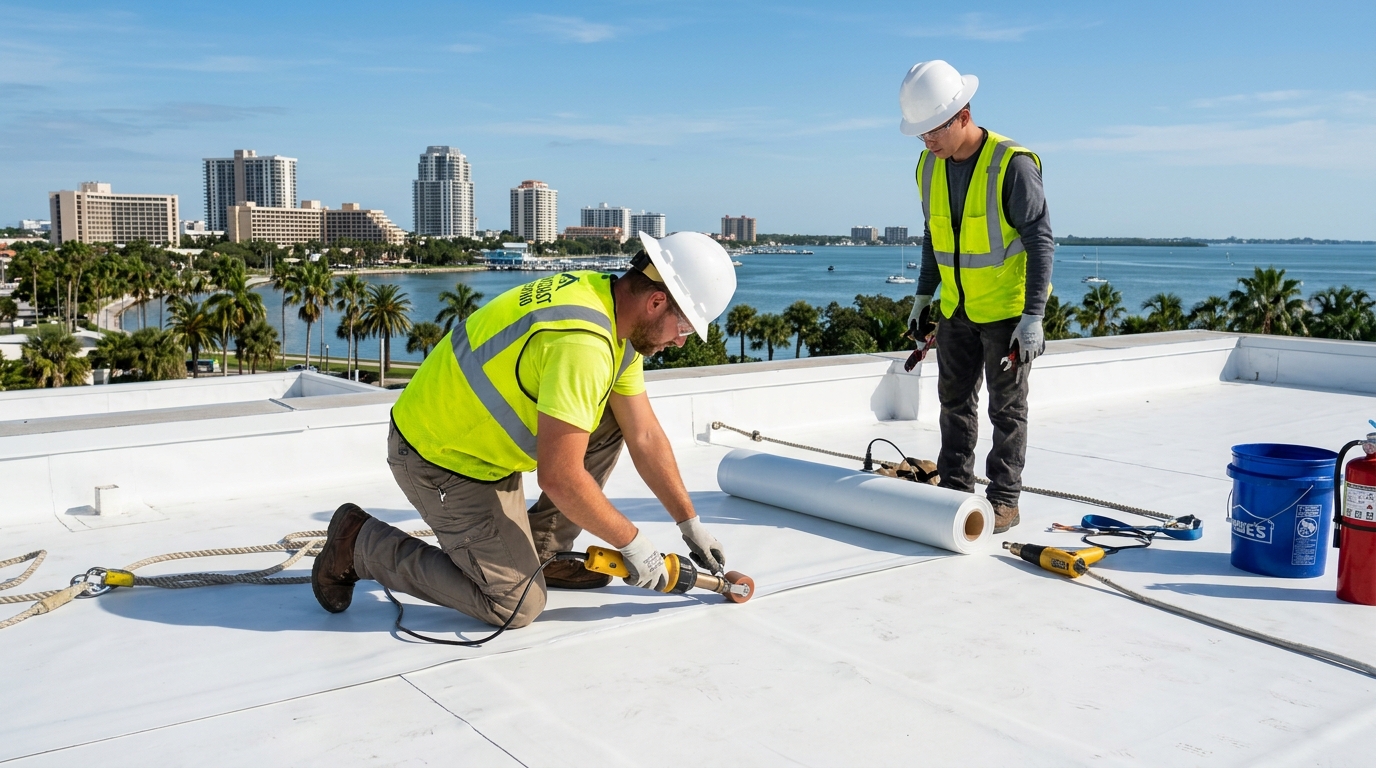
The Historic Third Ward, Downtown Milwaukee commercial high-rises, industrial complexes in Menomonee Valley, and commercial shopping centers in Brookfield and Waukesha rely heavily on single-ply (EPDM rubber, TPO thermoplastic) and multi-ply modified bitumen flat roof membranes. Severe winter cold causes membrane shrinkage, putting massive stress on field seams and perimeter flashings. Freeze-thaw cycling also freezes internal roof drains, trapping hundreds of tons of pooled snowmelt on flat decks. Dispatched commercial emergency technicians clear frozen drains using dedicated steam wands, locate subsurface insulation saturation with impedance scanners, and execute permanent thermal seam welds or cold-applied reinforced elastomeric mastic patches to halt commercial water intrusion.
The Milwaukee 4-Stage Rapid Emergency Dispatch Methodology

From your initial emergency call to physical site stabilization, our coordinated dispatch system operates with rigorous technical precision to protect your home or business:

01

Live Phone Triage

A seasoned roofing coordinator assesses the active leak rate, roof pitch, building type, and electrical shock risks over the telephone at (888) 208-4155.

02

Crew Mobilization

The closest licensed on-call Milwaukee, Waukesha, or Ozaukee County roofing crew is dispatched with a 45–90 minute arrival target, carrying boilers and tarps.

03

Physical Mitigation

Crews establish OSHA safety tie-offs, apply commercial low-pressure steam or mechanically batten 10-mil tarps, and verify water stoppage with FLIR thermal scans.

04

Scope Documentation

Property owners receive an itemized digital report with timestamped photographs, moisture readings, and insurance-ready scope notes for rapid claim processing.

Licensed Emergency Dispatch vs. Unlicensed Storm Chasers

Evaluating the critical engineering differences between verified Roof Expert USA contractor dispatch and hazardous DIY or storm-chaser practices:

Technical Protocol Roof Expert USA Emergency Dispatch DIY / Unlicensed Storm Chasers
Ice Dam Removal Method Commercial low-pressure high-heat steam extraction (zero deck trauma, preserves shingle integrity) Hammers, axes, salt socks (punctures shingles, strips granules, voids manufacturer warranty)
Emergency Tarping Securing Heavy-duty 10-mil woven poly mechanically anchored with continuous 2x4 lumber battens into rafters Thin 3-mil blue poly weighted with bricks or loose nails; blows off in 35 mph lakefront gusts
Moisture Tracing Diagnostic Calibrated FLIR E8 thermal imaging cameras and non-invasive electronic impedance moisture sensors Visual guesswork; punctures drywall blindly, missing hidden water paths along diagonal rafters
Contractor Licensing & Insurance 100% verified Wisconsin DSPS licensed contractors with + general liability and workers' comp Unlicensed out-of-state storm chasers with no local accountability or workers' compensation
Insurance Claim Support Comprehensive photo grid, itemized Xactimate-compatible scope of loss, and adjuster support Handwritten invoices lacking ice dam photos or moisture logs, resulting in claim denials
Ice Dam Removal Method
DIY / Unlicensed Approach Hammers, axes, salt socks (punctures shingles, strips granules, voids manufacturer warranty)
Roof Expert USA Protocol Commercial low-pressure high-heat steam extraction (zero deck trauma, preserves shingle integrity)
Emergency Tarping Securing
DIY / Unlicensed Approach Thin 3-mil blue poly weighted with bricks or loose nails; blows off in 35 mph lakefront gusts
Roof Expert USA Protocol Heavy-duty 10-mil woven poly mechanically anchored with continuous 2x4 lumber battens into rafters
Moisture Tracing Diagnostic
DIY / Unlicensed Approach Visual guesswork; punctures drywall blindly, missing hidden water paths along diagonal rafters
Roof Expert USA Protocol Calibrated FLIR E8 thermal imaging cameras and non-invasive electronic impedance moisture sensors
Contractor Licensing & Insurance
DIY / Unlicensed Approach Unlicensed out-of-state storm chasers with no local accountability or workers' compensation
Roof Expert USA Protocol 100% verified Wisconsin DSPS licensed contractors with + general liability and workers' comp
Insurance Claim Support
DIY / Unlicensed Approach Handwritten invoices lacking ice dam photos or moisture logs, resulting in claim denials
Roof Expert USA Protocol Comprehensive photo grid, itemized Xactimate-compatible scope of loss, and adjuster support

Full-Scope Emergency Roofing Services in Milwaukee, WI

Explore our specialized emergency service modules. Each service is delivered by on-call Wisconsin DSPS licensed contractors equipped for sub-zero lake-effect freezes and gale-force blizzard winds:

Active roof leak water containment in Milwaukee
24/7 ACTIVE STOP

Emergency Roof Leak Repair

Fast-response containment for active water cascading through ceilings, waterlogged insulation, and valley freeze-thaw breaches.

Read Technical Leak Repair Protocols →
Post-storm heavy tarping with timber battens in Milwaukee
LAKE GALE TARP

Emergency Roof Tarping

Heavy 10-mil woven poly membranes anchored with 2x4 timber battens engineered to withstand 60+ mph Lake Michigan blizzard gales.

Read Structural Tarping Engineering →
Hail storm damage roof inspection and insurance claim prep
INSURANCE CLAIM PREP

Hail Storm Damage Inspection

Exhaustive 10x10 test square documentation, asphalt fiberglass mat bruise identification, and adjuster scope preparation.

Read Hail Diagnostic Standards →
Cream City brick chimney flashing repair in Milwaukee
CREAM CITY MASONRY

Cream City Brick Flashing Repair

Reglet mortar joint cutting, copper and galvanized counter-flashing bib installation, and chimney cricket water diversion seals.

Read Chimney Flashing Methodology →
Skylight and pipe boot flashing restoration in Milwaukee
PENETRATION RESTORATION

Skylight & Pipe Boot Collar

Replacement of cracked rubber plumbing vent boots with sub-zero rated silicone gaskets and perimeter skylight curb flashing renewal.

Read Penetration Sealing Standards →
Commercial flat roof ponding and membrane repair in Milwaukee
COMMERCIAL DRAINAGE

Flat Roof Ponding & Membrane Repair

High-frequency moisture detection, frozen internal drain thawing, and hot-air robotic seam welding for commercial TPO/EPDM roofs.

Read Commercial Membrane Protocols →

Milwaukee Regional Dispatch Hubs & Suburb Coverage

Our network maintains rapid-response on-call roofing crews strategically stationed across Milwaukee, Waukesha, and Ozaukee counties to achieve guaranteed 45–90 minute arrival windows:

Brookfield, WI → Executive multi-pitch shingle tab wind repairs, ice dam steaming & commercial flat roof ponding. Wauwatosa, WI → Historic Cream City brick chimney flashing repair, dormer valley leaks & thermal diagnostics. Mequon, WI → Lake Michigan bluff gale-force wind tarping, timber battens & luxury architectural shingle restoration. New Berlin, WI → Heavy snow load clearing, eave ice dam extraction & plumbing vent pipe collar leak repairs.
Explore All Milwaukee Coverage Communities & Municipalities →

Milwaukee Emergency Roofing: Frequently Asked Questions

Get clear, factual technical answers regarding active leak triage, Wisconsin ice dam removal, insurance coverage, and contractor licensing:

Water Leaking Into Your Milwaukee Property Right Now?

Do not let frozen eave ice dams or blizzard gale damage destroy your ceilings, insulation, and hardwood flooring. Speak directly with an on-call Milwaukee dispatch coordinator right now. Strictly 0 web forms — direct phone-to-crew connection:

CALL NOW — (888) 208-4155
Available 24/7/365 • Rapid On-Call Dispatch Across Milwaukee, Waukesha & Ozaukee Counties